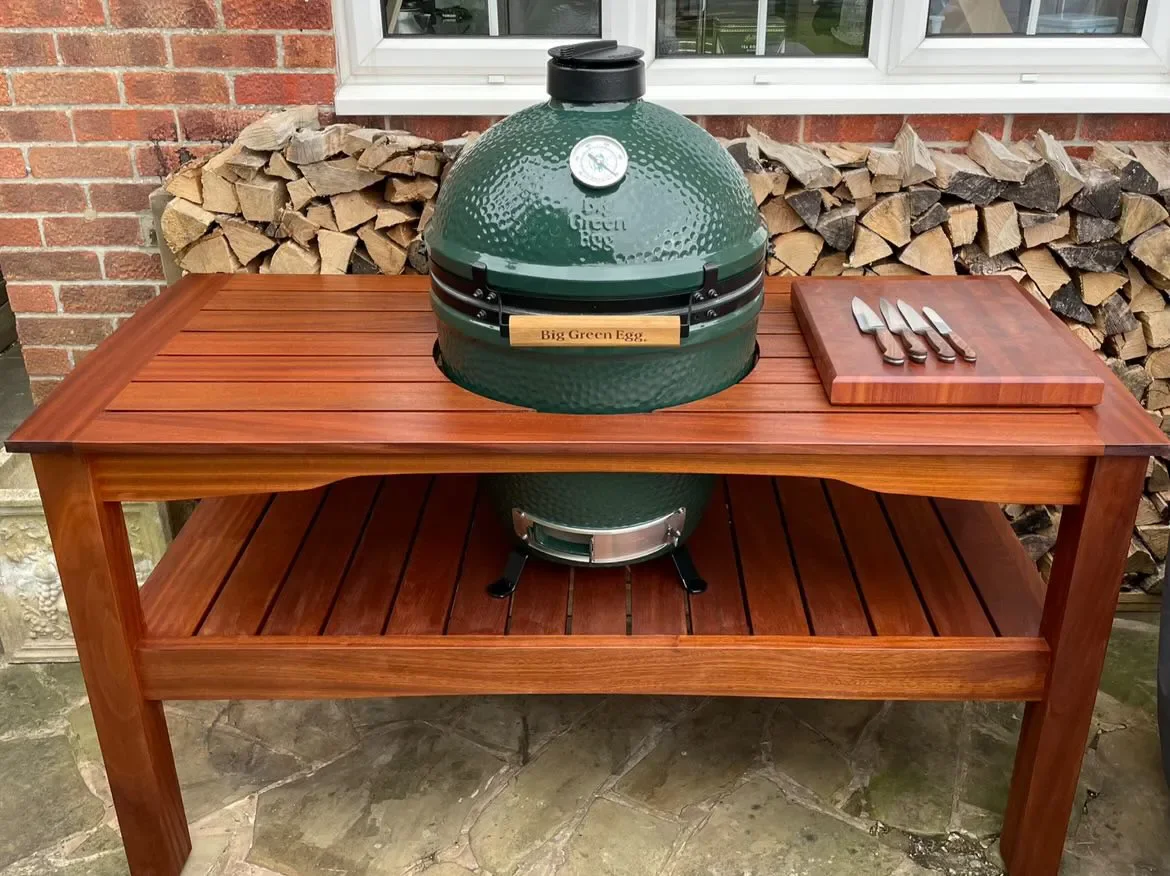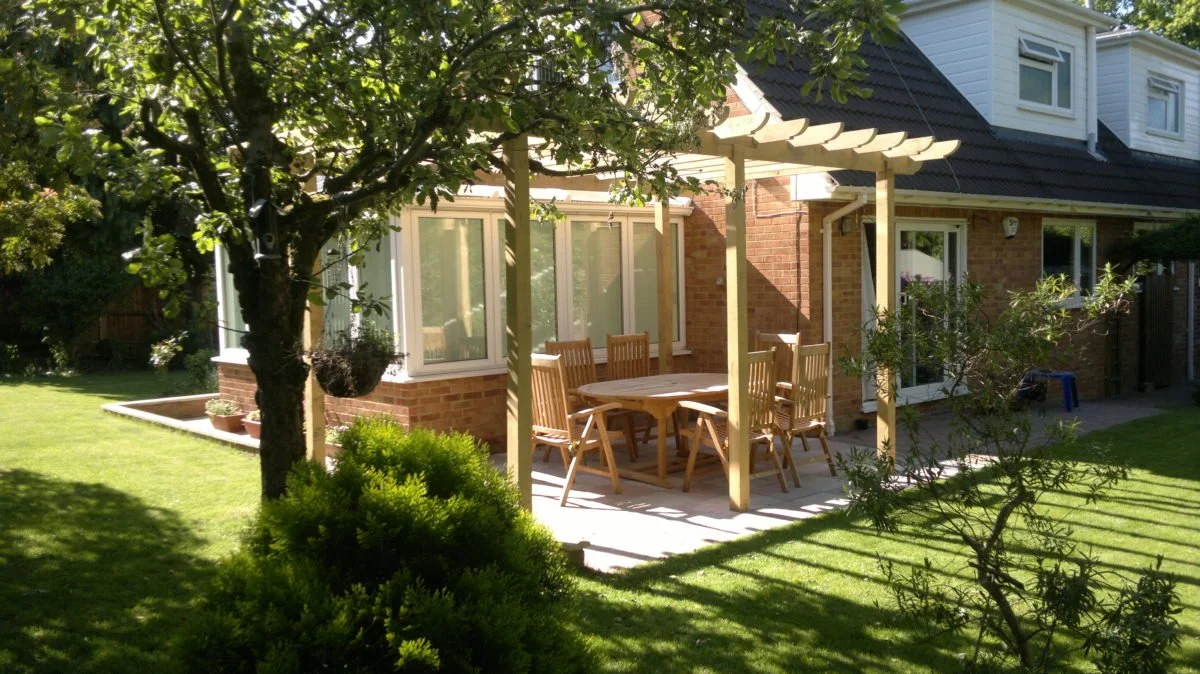
Why buy planed timber?
Planed timber is a top choice for customers looking for precision, a high-quality finish, and ease of use - especially when it comes to structural joinery, bespoke beams, and outdoor features like pergolas. But what exactly is planed timber, and how does it differ from sawn timber?
Our timber experts at WL West are on hand to take a deeper dive and explain how planed all round (PAR) timber can enhance your next project - particularly when working with oak or Douglas fir for beams, structures, and pergolas.

What’s the difference between sawn and planed timber?
If you’re stumbling across planed timber for the first time, you may be wondering what the difference is between sawn and planed timber. Sawn timber is cut directly from the log using large blades, resulting in a rough finish with possible inconsistencies in thickness or flatness. While sawn beams are more affordable and ideal for those planning to machine the timber themselves, they do require additional work before use.
Planed timber, also known as PAR (planed all round), has been machined after sawing to remove the rough outer layer. This results in a smoother surface, precise dimensions, and a more refined appearance - perfect for both indoor and outdoor timber projects where quality and accuracy matter.
Sawn timber is usually purchased by customers who want to plane or machine the pieces themselves, whereas planed (PAR) boards/beams are often preferred for joinery projects where a precise fit and good finish are required.
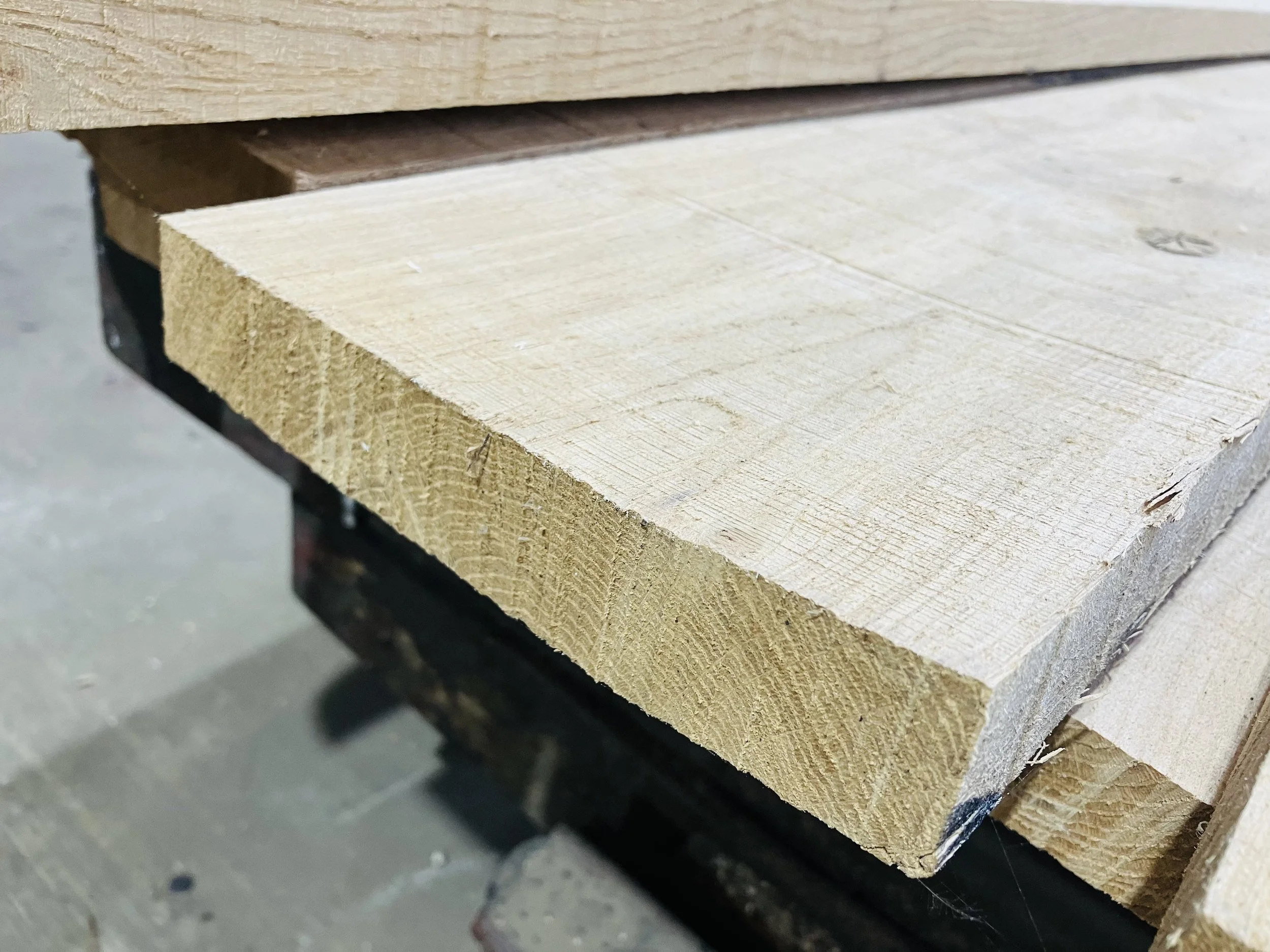
Sawn oak boards
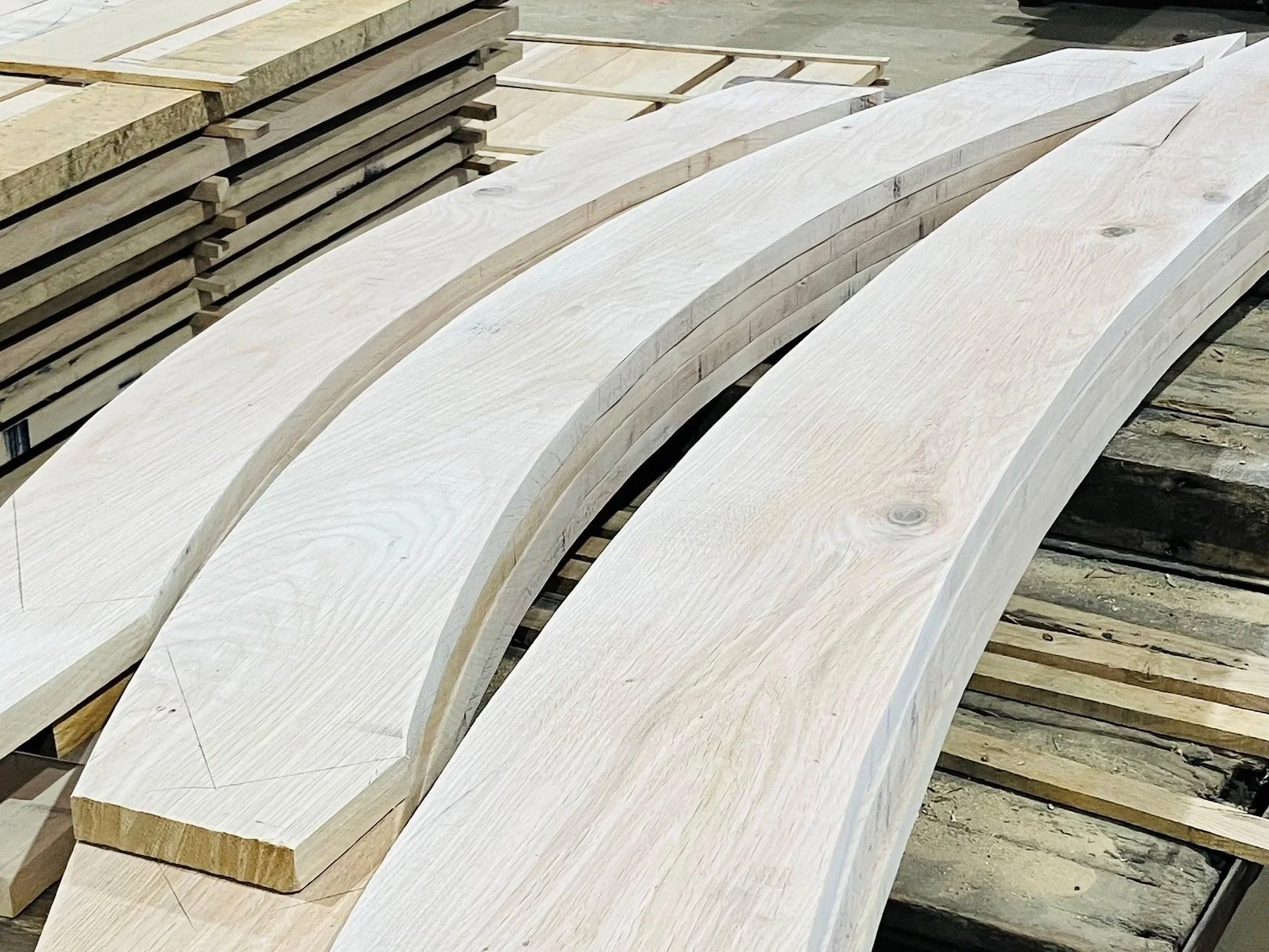
Planed oak beams
Why choose planed timber?
Better appearance
Planing removes the rough texture, scars, tapered angles, and saw marks commonly found on sawn boards and beams. This process reveals the natural grain, rich colour, and beauty of the timber, resulting in a smooth, refined finish. This makes it an ideal choice for exposed structural beams, timber pergolas, oak-framed buildings, and any joinery project where visual appeal and precision matter. See it for yourself in our Downley House case study.
Superior finish
If you're planning to oil, stain or paint your timber, a planed surface gives a much more consistent and attractive result. It absorbs treatments evenly and looks polished from day one, resulting in a more consistent and attractive finish.
Precision and consistency
Planing ensures the timber is cut to consistent, precise dimensions - crucial for maintaining structural integrity, achieving tight-fitting joints, and creating square, level frameworks. Whether you're constructing supporting beams, oak or Douglas fir structures, or detailed custom joinery, planed timber helps guarantee a professional, secure fit.
No tapering
Sawn timber boards can include irregular or tapered edges as they are rough sawn from the log with heavy duty blades. A major benefit of planed boards is that you will receive a parallel board with uniformity, and no tapered angles, which will prevent any gaps in construction and ensure a stable, professional finish.
Easier and safer to work with
Planing reduces the risk of splintering, making the wood safer and easier for those handling on the project site, or in the timber workshop. Planed beams and boards are particularly favoured and often requested by joiners for their ease of use in creating accurate and aesthetically pleasing joinery.
Less risk in machining
Machining timber can have its challenges. Splits, shakes, knots and tension can all lead to unexpected results when machining boards or beams. By buying your timber already planed you are reducing the risk of any issues. Here at WL West, if we ever experience any quality issues with a piece of timber while we are machining it, we will use another piece from stock to ensure our customer receives the best standard of timber possible.
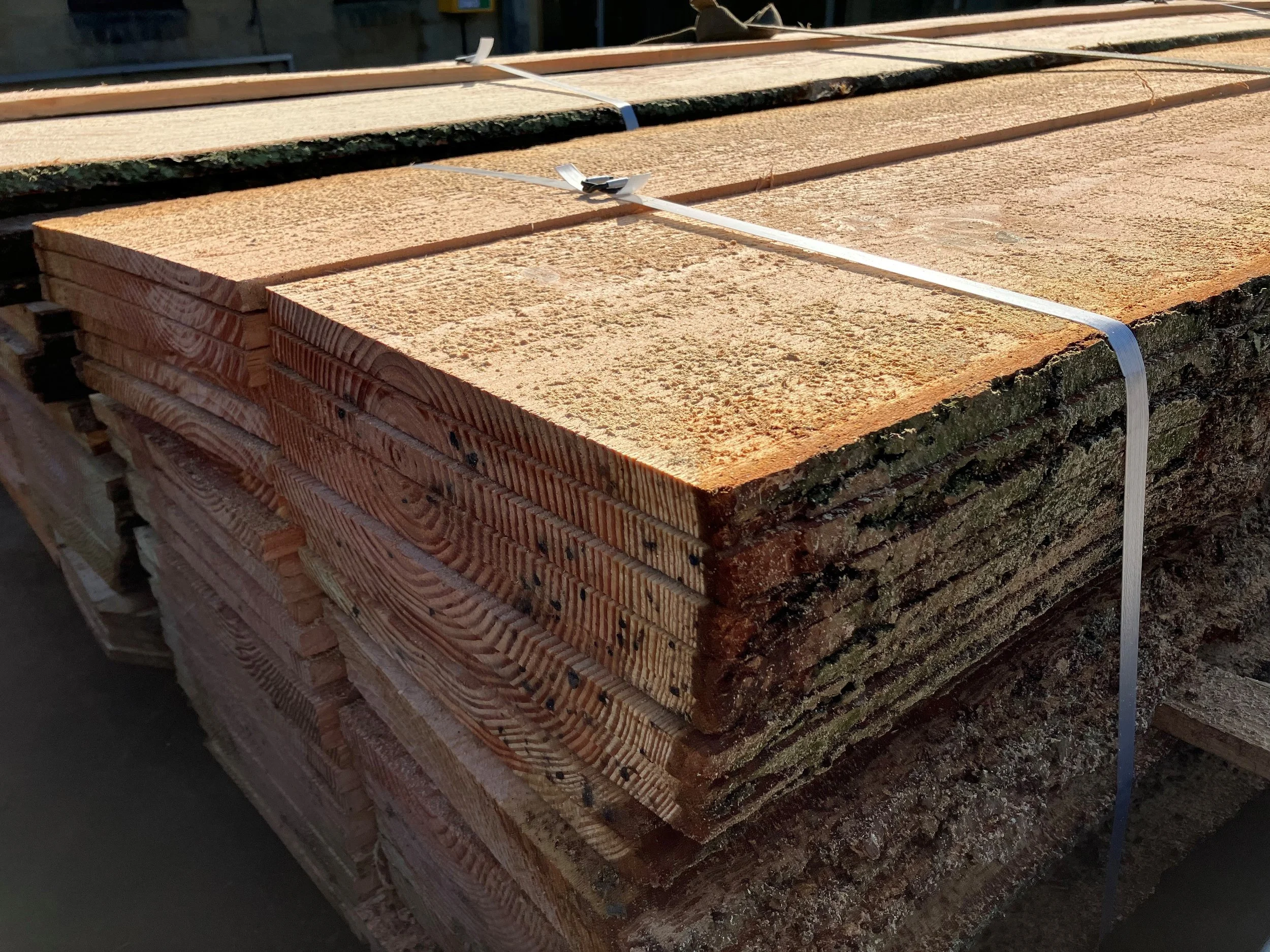
Sawn douglas fir boards
Where is planed timber used?
Planed timber is the material of choice for a wide range of construction and joinery projects - especially when aesthetic, precision, and ease of assembly are key. Its smooth finish and consistent sizing make it ideal for both structural and decorative applications.
Typical uses include:
Structural beams in high-performance timbers like oak and Douglas fir, offering strength, stability and a refined appearance
Bespoke joinery, such as door and window frames, roof trusses, lintels, and other precision-crafted structural elements
Outdoor wooden structures like pergolas, arbors, gazebos, and garden frames, where clean lines and weather durability are essential
Interior timber features where the timber is on show, including mantels, staircases, ceiling beams, and decorative supports
Precision builds that demand uniform sizing, a clean finish, and tight-fitting joints - minimising the need for further on-site adjustments.
If you're planning to build a pergola using one of our upcoming oak or Douglas fir pergola kits, planed timber will deliver a sleek, high-end result that’s easy to assemble and visually impressive from day one.
See where our planed timber boards have been used in our projects here.
What’s best for beams?
While virtually any timber species can be planed, oak and Douglas fir are our top recommendations for beams, frames, and structural applications. These timbers combine strength, durability, and visual appeal, making them ideal for both interior and exterior builds. When planed all round, they reveal a beautiful grain and deliver a clean, uniform finish that enhances both performance and aesthetics.
At WL West Timber, our planing services are available across all beam and structure-grade timber, giving you the flexibility to select the species that best suits your project - while ensuring a precise, smooth result from the very first cut. Whether you're building a traditional oak frame or a contemporary Douglas fir pergola, we’ll make sure your timber is perfectly prepared and ready to install.
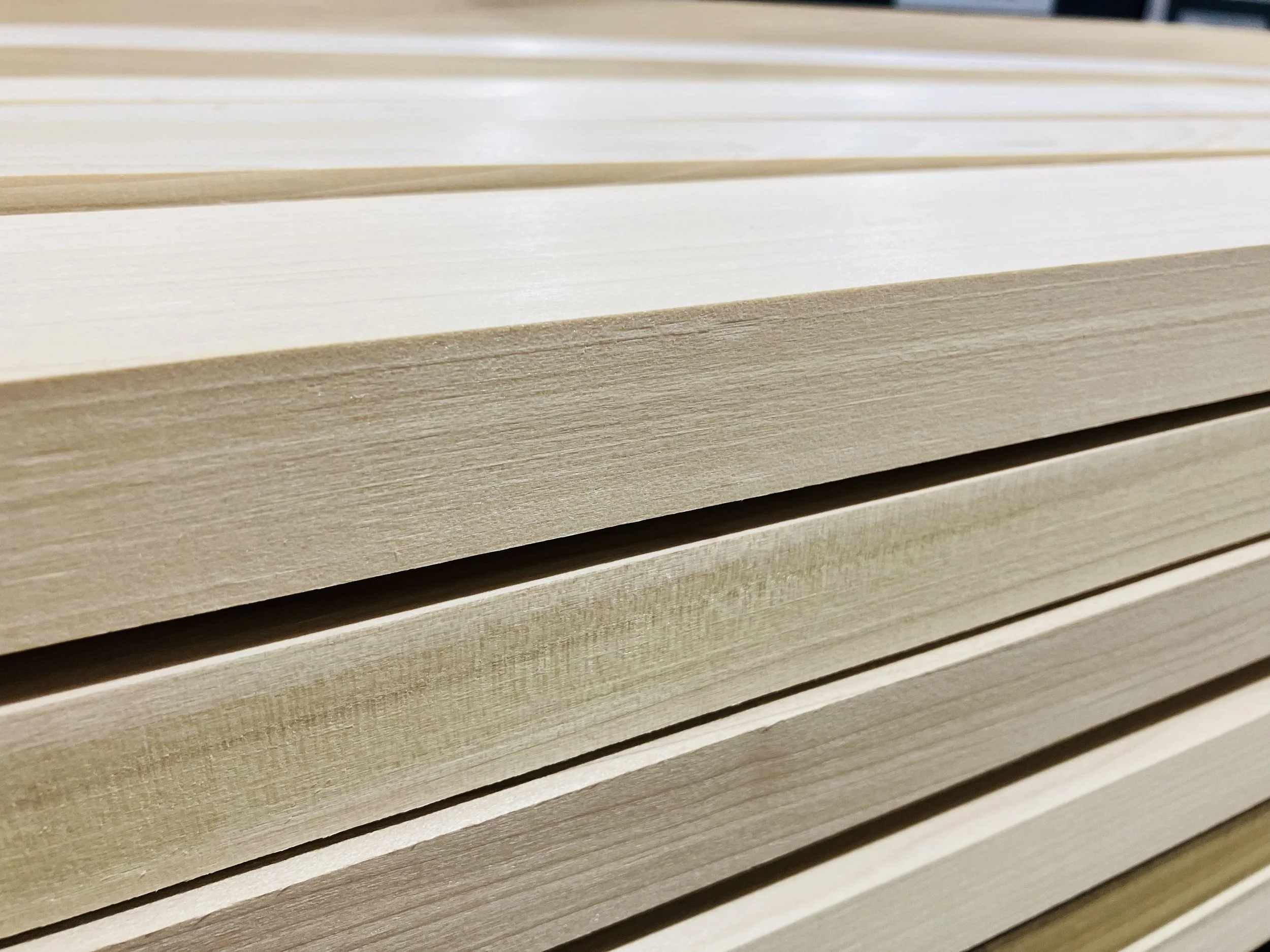
Planed timber boards at WL West Timber HQ
How to Order Planed Timber From WL West
Ordering planed timber from WL West is simple:
Contact us via our contact form on our website
Speak to our Sales Team and ask for PAR timber
Provide your required dimensions and quantities
We’ll prepare your beams/boards to spec in our on-site mill
Your timber will arrive ready to use. Find out about our delivery here.
Frequently Asked Questions (FAQs)
What is planed timber used for?
Planed timber is used in a wide variety of construction and joinery projects that require smooth surfaces, precise dimensions, and a refined appearance. It’s commonly used for structural beams, timber frames, and bespoke joinery, as well as outdoor features like pergolas, gazebos, and garden structures. Its clean finish makes it ideal for visible applications such as mantels, staircases, and exposed ceiling beams. Whether you're working on a traditional oak-framed building or a modern Douglas fir pergola, planed timber offers both visual appeal and practical benefits.
Why choose planed timber for structural beams?
Planed oak or Douglas fir beams are ideal for structural applications because they offer consistent dimensions, a refined appearance, and superior ease of installation - perfect for both traditional and modern building styles.
Can I request planed timber in specific sizes?
Yes. At WL West, we can plane your timber to your exact specifications. Simply provide your required dimensions and quantities when placing your order, and our team will ensure your beams or boards are cut and finished to suit your project.
Is planed timber suitable for outdoor use?
Absolutely. Planed timber, in durable species like oak and Douglas fir, is well-suited for outdoor structures such as pergolas, gazebos and garden timber frames. For added protection, we recommend applying an appropriate treatment or finish. See our Tilford Bridge case study to see how we used oak for this medieval bridge restoration project.
What types of timber can be planed?
Nearly all timber species can be planed. However, oak and Douglas fir are particularly popular for beams and structural uses due to their strength, longevity, and beautiful grain once planed.
Does planing timber affect its strength?
No - planing timber does not weaken it. In fact, planing removes only the surface imperfections and ensures a straighter, more stable product, which can enhance performance in structural builds and joinery.
Do planed beams cost more than sawn beams?
Planed beams are typically slightly more expensive than sawn timber due to the additional machining process. However, they save time on-site and reduce the need for further preparation - offering excellent value, especially for visible or precision builds.
Should I use planed timber for a pergola/gazebo?
Yes. Planed timber is the preferred choice for timber pergolas due to its smooth finish, clean edges, and consistent sizing. It creates a high-end look and is easier to work with during installation. See how our planed timber was used at Downley House in the South Downs.
Is planed timber easier to work with than sawn timber?
Yes. Planed timber has smooth surfaces and consistent dimensions, making it safer and easier to handle, cut, and install - especially for joiners and builders working on precision projects like oak-framed structures.
Can planed timber be stained or painted?
It will depend on the timber species - take a look at our blog post ‘Can you paint green or air-dried oak?’. The smooth finish of planed timber can make it an excellent surface for staining, oiling, or painting. It absorbs finishes more evenly than sawn timber, giving you a cleaner, more professional result.
What finish can I expect with planed oak or Douglas fir?
Both planed oak and Douglas fir reveal a beautiful grain and colour once machined. Oak offers a classic, timeless aesthetic, while Douglas fir brings a warmer, more contemporary look - both perfect for visible beams and timber features.
Is planed timber treated, or do I need to treat planed timber for outdoor use?
Planed timber doesn’t come pre-treated. While untreated oak and Douglas fir have excellent natural durability, you may wish to apply a suitable exterior wood treatment to protect planed timber used outdoors.
Contact us for your planed timber requirements
Whether you're building a pergola, installing structural beams, or working on a bespoke joinery project, planed timber offers the precision, finish, and quality your project deserves. At WL West, we supply expertly planed timber in custom dimensions, prepared in our on-site mill for a smooth, consistent result - every time.
Get in touch with our Sales Team today to discuss your requirements or request a quote for PAR timber. Let us help you choose the right timber for your next project today.