
Is Sapele the Best All-Round Timber?
Discover why sapele wood is one of the most versatile hardwoods available. Learn about its durability, workability, and stunning appearance — and whether sapele truly deserves the title of the best all-round timber.
An introduction to sapele
Sapele (Entandrophragma cylindricum) is a hardwood species native to tropical Africa, prized for its lustrous reddish-brown colour, fine texture and wonderful grain patterns.
It is used for furniture, joinery, cladding, decking, flooring and more, due to its appealing blend of beauty, strength, and stability.
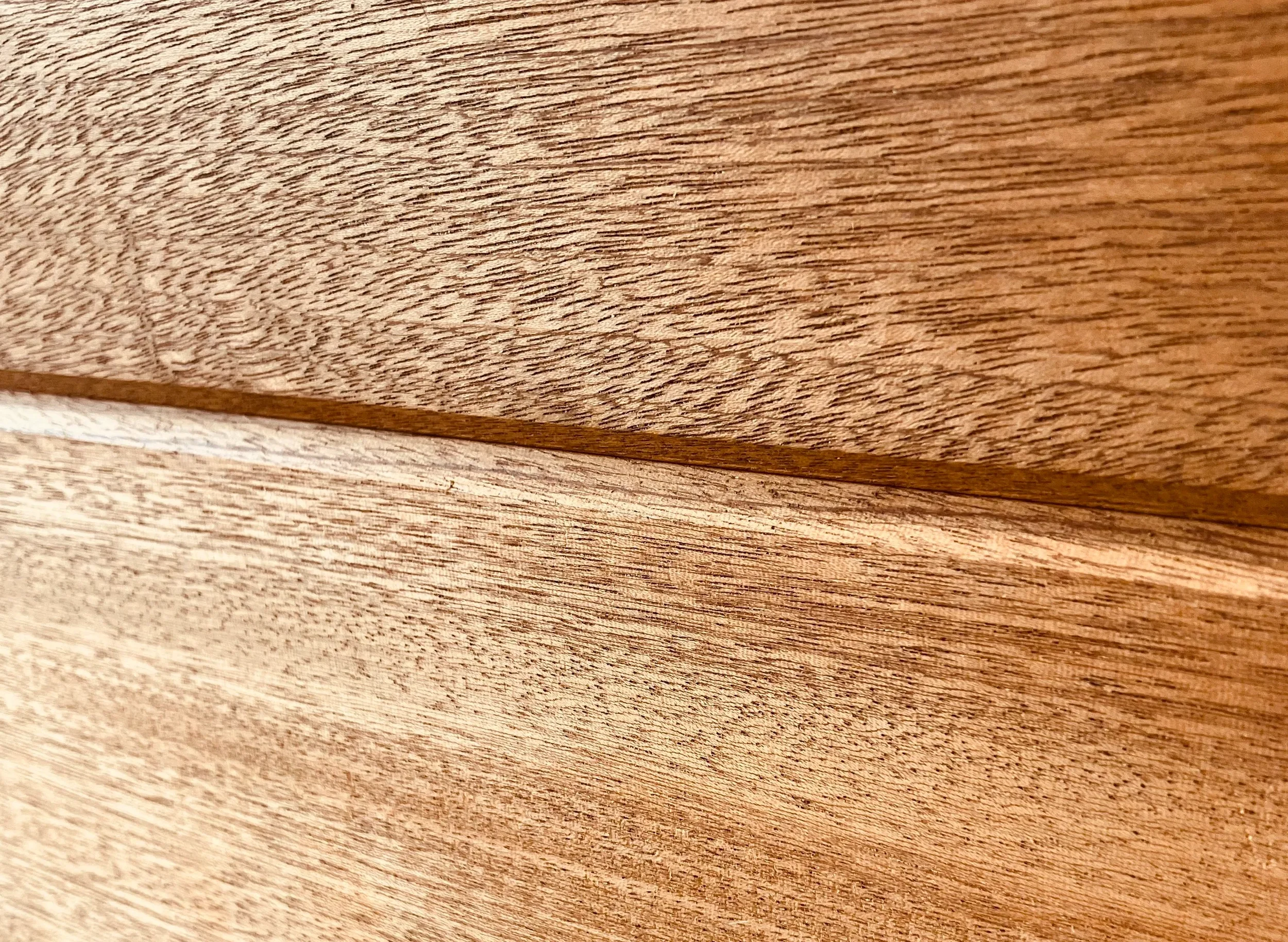
Sapele TGV cladding
Key benefits of sapele wood
1. Durability and Strength
Sapele timber is known for its high density, strength and resistance to impact, making it ideal for both indoor and outdoor applications. It resists moisture, decay, and insect attack better than many other hardwoods, performing well as cladding, flooring, and decking.
2. Excellent Workability
Despite its density, sapele machines cleanly with sharp tools. It responds well to planing, sanding, and finishing, taking stains and polishes beautifully. This makes it a favourite among cabinetmakers and fine furniture makers.
3. Aesthetic Appeal
Sapele’s warm tones and beautiful lustre give it a luxurious look similar to mahogany. As well as the more common ribbon-like grain, sapele is also renowned for its range of figured grain patterns, like pommele, wavy, fiddleback and quilted. Over time, its colour deepens, developing a warm patina that enhances both modern and traditional interiors. It’s frequently used for sapele furniture, veneers, and musical instruments like guitars and pianos.
4. Sustainable Alternative to Mahogany
As mahogany supplies have become very limited, responsibly sourced sapele offers an ethical and affordable substitute. It has a similar attributes while supporting sustainable forestry.
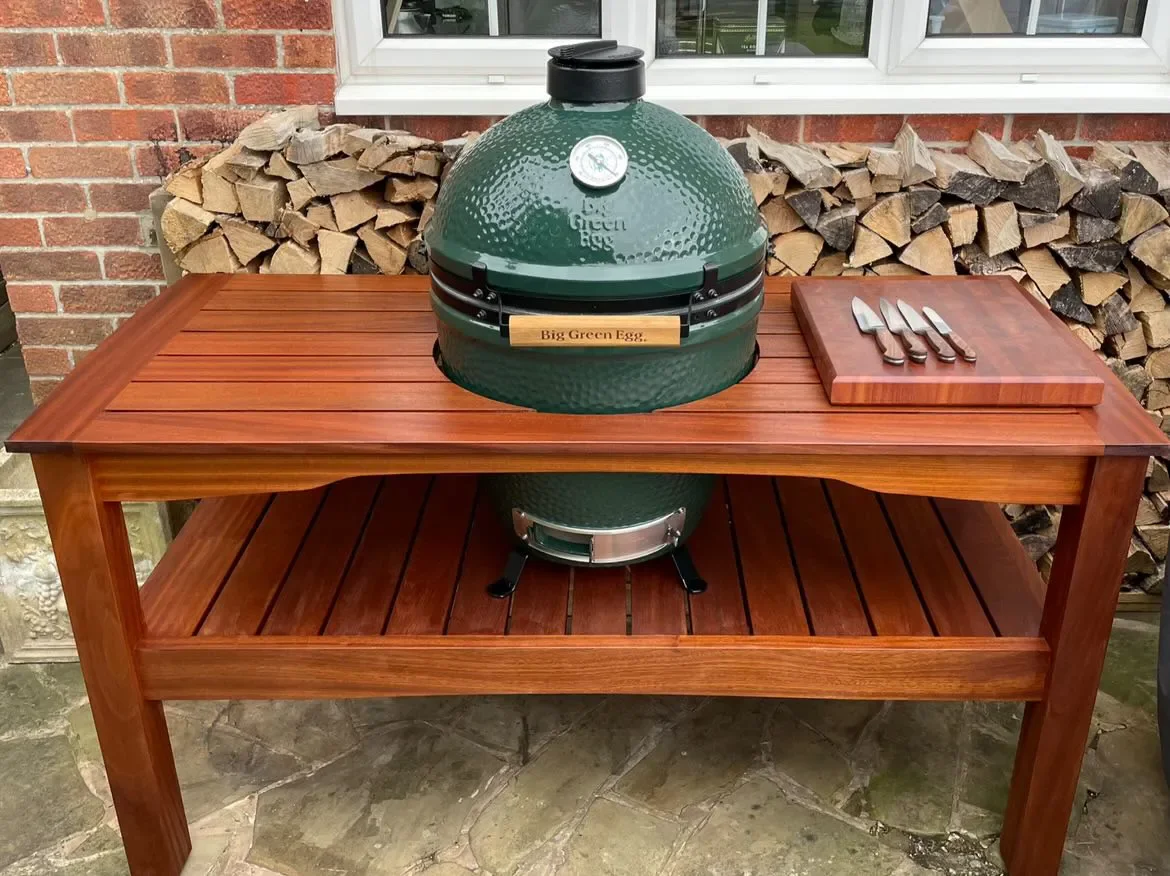
BBQ table made from sapele
Areas to consider
While sapele wood is extremely versatile, there are a few considerations:
Weight: Sapele is a heavy timber, which can make handling large boards difficult.
Grain Interlock: Its attractive interlocked grain can cause some tear-out when planing.
Iron: Sapele will become discoloured or stained if in direct contact with iron.
Price: Sapele costs more than some domestic hardwoods like ash, though less than genuine mahogany.
Best Uses for Sapele Timber
Fine furniture, cabinetry and worktops
Musical instruments and veneers
Decorative items
Flooring
Cladding and decking (with proper finish)
Doors and window frames
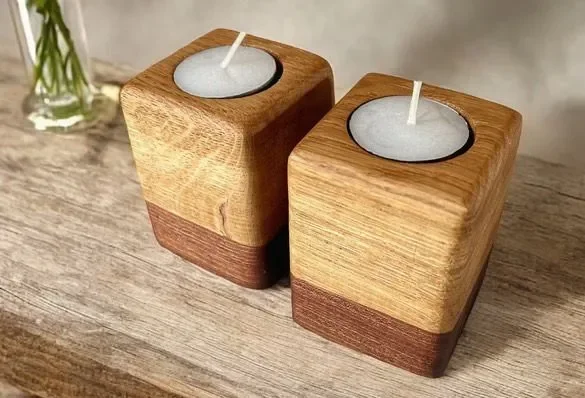
Oak and sapele candlesticks made by Sawn by Sarah from timber supplied by WL West
Sapele versus other popular hardwoods
We compared sapele to three other popular hardwoods: oak, iroko and mahogany. In terms of durability, sapele matches oak and iroko in being rated as very durable. Both sapele and iroko have good workability, although oak and mahogany have excellent workability. The appearance of each timber varies widely, they are all stunning in their own right, so it depends on your personal preference! Finally, if you source your sapele from a reputable supplier (such as a TDUK member like WL West), then you can be assured the timber is responsibly sourced. However, as the timber is sourced from Africa (like iroko), it does have a greater transport mileage then oak, which is generally sourced from France.
Final verdict: Is sapele the best all-round timber?
Possibly! Sapele consistently performs well across all categories, earning its place as a reliable all-round timber for most woodworking applications. Its balance of beauty, strength, workability and durability makes it one of the best all-purpose hardwoods on the market.
If you’re seeking a wood that performs well in nearly any setting — from fine joinery to architectural projects — sapele wood is a smart, timeless choice.
At WL West we stock a range of sapele, from boards to turning blanks. Take a look at our webshop or contact us with your cutting list.