
What’s Best for Polo Boards: Timber, Plastic or Composite?
Choosing the right polo boards is essential for maintaining the safety, appearance, and performance of your pitch. Whether you’re running a professional club or managing a private ground, your decision will influence everything from day-to-day upkeep to the overall experience of players and spectators.
In recent years, plastic polo boards and composite polo boards have entered the market as alternatives to the traditional option of timber polo boards. Each has its advantages, but there are also important differences in durability, sustainability, and long-term value. At WL West Timber, we’ve been supplying and machining quality timber for over 155 years, and we continue to see timber remain the preferred choice for polo clubs across the UK. Let’s tell you why.

High-quality timber polo boards are essential for building a durable, reliable polo pitch.
Why Timber Polo Boards Remain the Highest Quality
For generations, timber polo boards have set the standard in the sport. They combine strength, tradition, and sustainability in a way that alternative materials struggle to match. From aesthetics to being environmentally friendly and beyond, timber comes out on top.
Durability and impact resistance
Horses and mallets put boards under constant stress. Timber’s natural strength means it can absorb impact and resist splitting, giving you a reliable playing surface season after season.
Better Design
Our Douglas Fir polo boards were developed to be round-topped or chamfered to minimise injury to the horses. We also introduced an arris rail, to stop the ball going dead at the bottom of the board and instead be directed away from the board. The surface is planed to minimise chafing and allow for painting in club colours.
Appearance
Polo is steeped in tradition, and the authentic aesthetic of timber fits seamlessly into that heritage. Whether painted in club colours or left in a natural finish, timber polo boards create an unparalleled premium, professional look.
Sustainability
When sourced responsibly, timber is renewable, biodegradable, and far less damaging to the environment than plastic-based alternatives. At WL West Timber, we ensure all our Douglas Fir polo boards come from FSC® or PEFC-certified British woodlands, supporting local responsible forestry. You can see more about our approach in our case studies.
Are Plastic Polo Boards a Good Choice?
Plastic polo boards are often chosen because they are very easy to look after in comparison to alternative polo board material options. Some of their advantages include:
Resistant to rot
No need for painting or staining
Quick and simple to clean with a hose
Lightweight and easy to install
These qualities can make them a convenient choice for certain clubs. However, plastic does have its limits. It doesn’t always provide the same natural, premium look as timber, and under heavy use it may not be as durable and can be prone to cracking. Weather and ground conditions can also adversely impact the life span of plastic boards, as cold weather can make plastic boards brittle, increasing their risk of cracking or breaking under stress or impact. In addition, as plastic is made from petrochemicals, it doesn’t offer the same environmental benefits as timber.
To discover the authentic aesthetic of polo pitch boards we have supplied to previous clients, check out our case study.
The Advantages and Disadvantages of Composite Polo Boards
Composite polo boards, usually made from a mix of wood fibres and plastics, are designed to combine some of the benefits of both materials. Their advantages include:
More stable than plastic alone
Can offer an appearance closer to timber
Require little maintenance compared to natural wood
These qualities can make composites appealing for clubs looking for a balance between plastic and timber. However, composites still have some drawbacks. They are often more expensive upfront than timber, and although they are marketed as durable, over time they can fade, warp, or split. Finally, composite polo boards come with recycling challenges - the blend of materials makes disposal and recycling more complex than either plastic or timber, making it a less eco-conscious option.
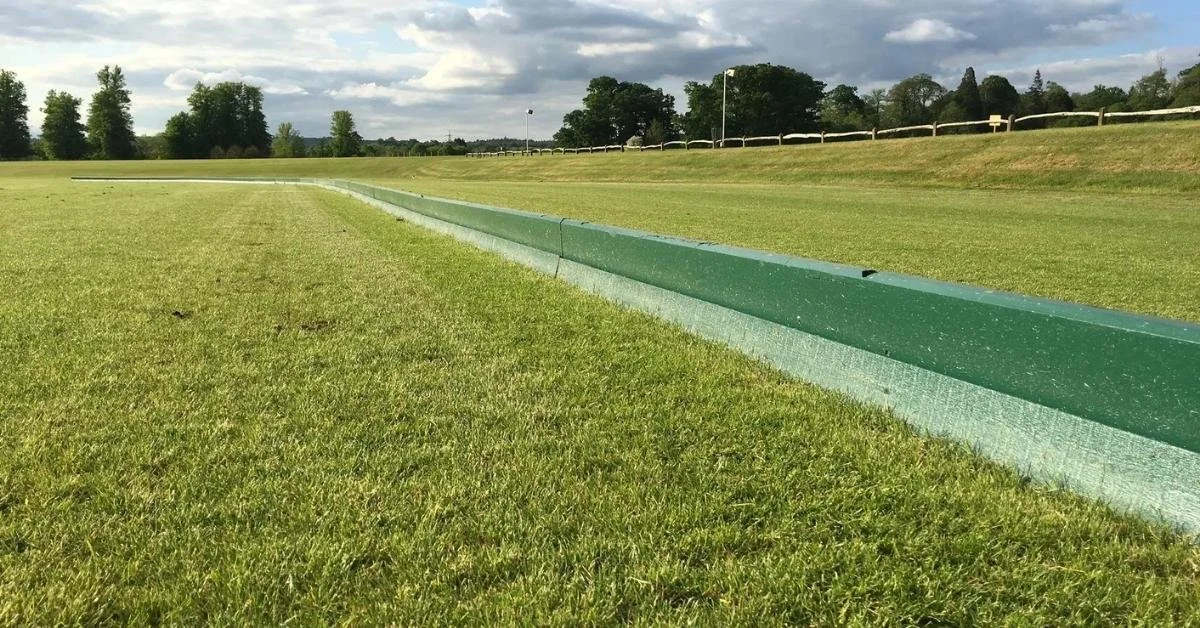
Timber polo boards provide strength and precision, keeping play fast and secure on the pitch.
Comparing Polo Board Options
Selecting the perfect material for your pitch can be overwhelming. To help you weigh up the choices, we’ve created a handy a side-by-side comparison of timber polo boards, plastic polo boards, and composite polo boards to allow you to decipher the best material option for your needs:
| Feature | Douglas Fir Timber Polo Boards | Plastic Polo Boards |
Composite Polo Boards |
|---|---|---|---|
| Durability |
High - impact resistance, repairable
|
Moderate - may crack under force
|
Moderate - can fade and warp
|
| Appearance |
Premium, natural, traditional
|
Artificial finish
|
Closer to timber, but less authentic
|
| Sustainability |
Renewable, biodegradable, FSC®/PEFC certified
|
Petrochemical-based, not biodegradable
|
Mixed - harder to recycle
|
| Maintenance |
Low - repaint or stain if required
|
Very low - wash down
|
Low - but colour can fade
|
|
Cost-effectiveness
|
Strong long-term value
|
Lower upfront but higher long-term replacement costs
|
Higher upfront, mixed lifespan
|
Why Timber Polo Boards Are Still the Best Choice
Although plastic polo boards and composite polo boards offer some convenience, they also come with compromises - whether that’s appearance, environmental impact, or long-term durability. By contrast, timber polo boards continue to offer the best balance of strength, sustainability, cost-effectiveness, and tradition.
At WL West Timber, we’ve been supplying timber polo boards for decades, working with clubs who value performance as much as aesthetics. Our boards are produced from locally and responsibly sourced English Douglas Fir, precision-machined, and designed to withstand the demands of regular play.
If you’re looking for polo boards that combine tradition with reliability, timber remains the clear winner. To discuss your requirements, request a bespoke quotation, or explore our full range of timber solutions, get in touch with our team today.