
Softwood vs Hardwood Cladding: What’s the Difference?
When it comes to choosing timber cladding, there’s more to consider than just appearance. Your choice will influence how your project looks, how it performs over time, how much maintenance it needs, and how much you’ll spend both upfront and in the long term. One of the biggest decisions you’ll face is whether to opt for softwood or hardwood cladding.
At WL West Timber, we’ve been supplying quality timber for over 155 years, sourcing sustainably from British-grown and responsibly managed forests. Whether you’re a trade professional working on a large-scale build or a homeowner seeking to transform your property’s exterior, we’re here to help you choose the right timber for your needs.
So, when it comes to softwood vs hardwood cladding, what’s the difference - and which should you choose? Let’s break it down.
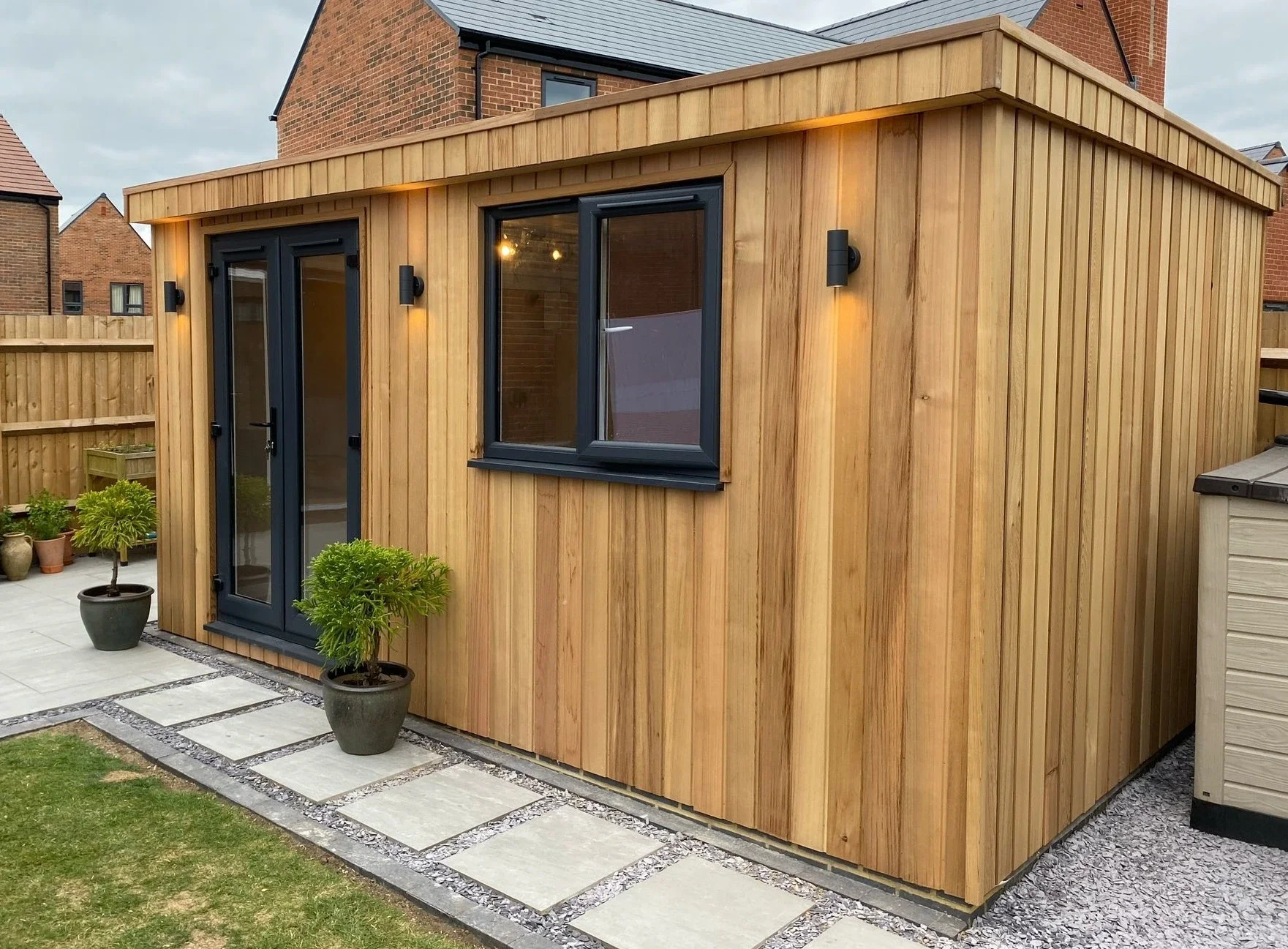
What is Softwood Cladding?
Softwood cladding is made from coniferous trees, which are generally faster-growing species such as cedar, larch, and pine. Despite the name, “softwood” doesn’t mean the timber is weak - many softwoods are more than capable of standing up to the elements, especially when treated and maintained correctly.
At W.L West Timber, our softwood cladding range includes Cedar Cladding, Douglas Fir Cladding, Larch Cladding, and Thermo Radiata Pine Cladding. Cedar is valued for its natural resistance to decay, dimensional stability, and warm reddish tones that can be left to weather or maintained with oil. Douglas Fir offers excellent strength and durability, with a striking grain pattern that works beautifully in both modern and traditional settings. Larch is a popular choice for its pale golden-brown tones and robust performance, even in exposed environments. Thermo Radiata Pine is heat-treated to enhance stability, reduce moisture absorption, and improve overall lifespan — making it ideal for low-maintenance applications.
With their lighter, warmer tones, these timbers are versatile and can be stained, painted, or left untreated to suit a wide range of architectural styles. They are often chosen for residential facades, garden buildings, and commercial exteriors where budget, ease of installation, and design flexibility are important.
What is Hardwood Cladding?
Hardwood cladding is sourced from deciduous tree species, which tend to grow more slowly, resulting in denser, stronger timber. This density contributes to hardwood’s exceptional durability, impact resistance, and ability to withstand challenging weather conditions.
For hardwood projects, we supply Oak Cladding, Red Grandis Cladding, Sapele Cladding, and Thermo Limba Cladding. Oak is a timeless choice for its strength, rich golden tones, and ability to develop a beautiful silver-grey patina if left untreated. Red Grandis, an FSC®-certified eucalyptus species, offers excellent stability, fine grain, and a consistent reddish-brown colour. Sapele is a dense African hardwood with a deep, lustrous hue and interlocking grain, perfect for creating a premium finish. Thermo Limba undergoes a thermal modification process that enhances its durability and dimensional stability while giving it a rich, even tone that requires minimal maintenance.
Hardwood cladding is often selected for luxury residential properties, landmark commercial buildings, and high-traffic public spaces where longevity and aesthetic impact are key. Many clients choose hardwood for its ability to weather gracefully over time, reducing the need for frequent treatment while still delivering an elegant, high-end finish.
Softwood vs Hardwood Cladding: Key Differences
| Feature | Softwood Cladding | Hardwood Cladding |
|---|---|---|
| Durability & Lifespan | Durable when treated; lifespan of 15–40 years depending on species and care. | Naturally durable; lifespan of 30–60+ years with minimal treatment. |
| Appearance | Lighter, warmer tones; can be painted or stained to suit design. | Richer, deeper tones with distinctive grain; weathers beautifully to silver-grey. |
| Maintenance | Requires more frequent sealing or painting to maintain colour and protection. | Lower maintenance overall; occasional oiling helps retain colour vibrancy. |
| Sustainability | Often British-grown and fast-growing; FSC®/PEFC-certified options available. | Responsibly sourced FSC®/PEFC options; slower-growing species with longer regeneration times. |
| Cost | More affordable upfront; excellent choice for budget-conscious projects. | Higher initial investment; offers strong long-term value due to longevity. |
| Availability & Lead Times | Readily available in multiple profiles and sizes. | May have longer lead times depending on species and demand. |
Durability
Durability is a major factor when weighing up softwood vs hardwood cladding. Hardwood’s density makes it naturally more resistant to moisture, pests, and impact damage. This often translates into a longer service life — in some cases, well over 50 years with minimal upkeep.
Softwood, on the other hand, can still be highly durable when the right species and treatments are chosen. Pressure-treated or thermally modified softwoods can offer lifespans of 25–40 years, making them more than suitable for many residential projects.
Climate and location also matter. For example, properties in exposed coastal areas might benefit from the extra resilience of hardwood, while a sheltered garden building could be perfectly served by a treated softwood. Our team here at WL West Timber can help you determine which would be right for your project - just get in touch.
Maintenance requirements
Both hardwood and softwood cladding can weather naturally to a silvery-grey if left untreated. This change is purely aesthetic and doesn’t affect the structural integrity of the timber. However, if you want to preserve the original colour, maintenance will be required:
Softwood: Benefits from more frequent applications of oil, stain, or paint to protect against moisture ingress and UV damage.
Hardwood: Requires less frequent upkeep but will still need occasional oiling to maintain colour vibrancy.
Regular inspections, ideally once or twice a year, help to catch any early signs of wear or damage, extending the life of your cladding regardless of the type you choose.
Sustainability and sourcing
Both softwood and hardwood can be sustainable choices when sourced responsibly. At W.L West Timber, we are committed to supplying timber from well-managed forests, with options for FSC® and PEFC-certified materials. Find out more about our sustainability practices here.
Cost considerations
Cost is often the deciding factor for many projects. Softwood cladding is generally more budget-friendly upfront, making it a popular choice for large-scale installations or projects where cost efficiency is key. Hardwood, while more expensive initially, offers excellent value over time thanks to its longevity and reduced maintenance needs. In some cases, the higher upfront investment can be offset by the savings in upkeep and replacement costs.
At W.L West Timber, we offer a range of both softwood and hardwood cladding options to suit different budgets, with the added benefit of fast UK delivery to keep your project moving.
So, which is right for your project?
Choosing between softwood vs hardwood cladding comes down to balancing your priorities:
Choose softwood if you want a versatile, cost-effective material with a wide choice of finishes, and you’re happy to carry out regular maintenance.
Choose hardwood if you’re looking for premium aesthetics, exceptional durability, and minimal upkeep, and are willing to invest more upfront.
If you’re unsure, our experienced team can help you weigh up the options based on your project type, location, and design goals. Whether you’re building a modern family home, upgrading a commercial property, or adding character to a garden structure, we’ll guide you to the right choice.
Shop our softwood cladding and hardwood cladding
From the warm, natural tones of Cedar and the robust performance of Larch to the timeless elegance of Oak and the rich depth of Sapele, our cladding range is crafted to suit projects of every scale and style. At W.L West Timber, we supply both softwood and hardwood cladding, including Douglas Fir, Thermo Radiata Pine, Red Grandis, and Thermo Limba, each selected for its durability, distinctive appearance, and suitability for the British climate. All our timber is responsibly sourced and precision-machined to ensure a flawless fit, with profiles and sizes to match your exact requirements. Whether you’re refreshing a garden building, designing a contemporary home, or specifying materials for a commercial façade, our 155+ years of expertise will help you find the perfect cladding for a beautiful, long-lasting finish. Shop our softwood and hardwood cladding now or contact our team for personalised advice.
£5.45 (Ex VAT) £6.54 (inc VAT) per linear metre. Minimum order - 65 linear metres.
The beauty, strength and natural resistance to decay of European Oak make it an ever popular choice for external cladding. Oak can withstand harsh weather conditions and maintenance is relatively low as it requires minimal cleaning and oiling. Although it is generally more expensive compared to softwoods like Western Red Cedar and Douglas Fir, its durability makes oak cladding a worthwhile investment.
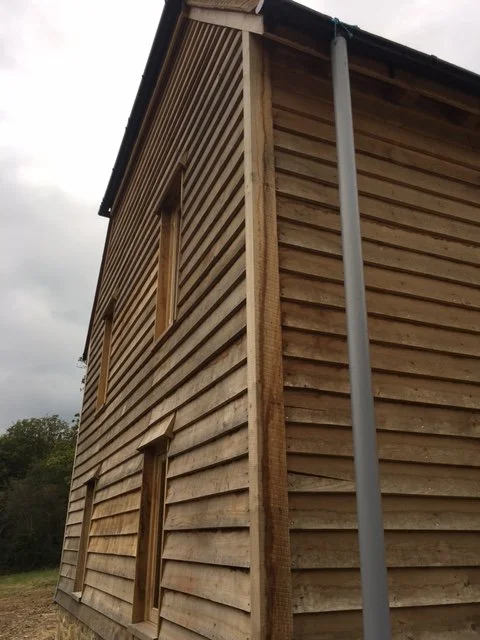
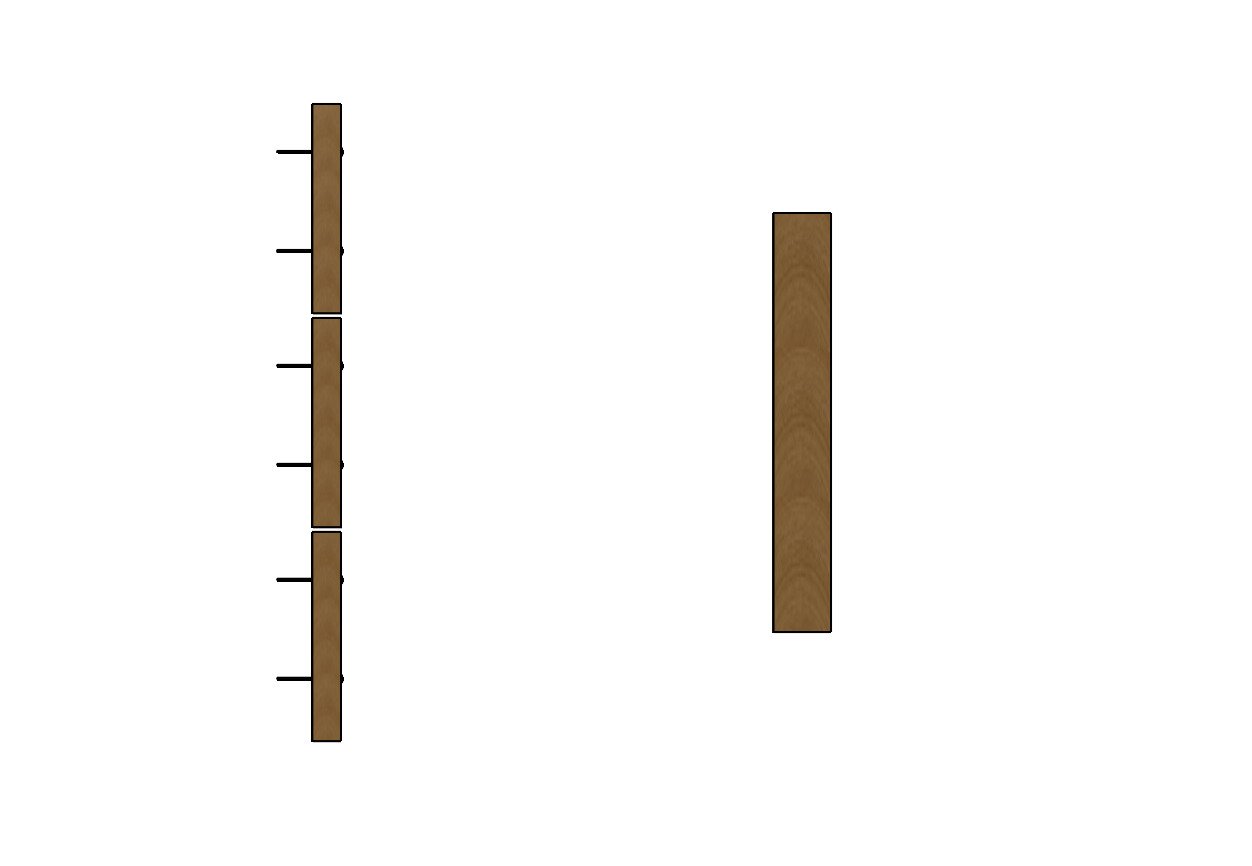
Feather-edge cladding (also known as weatherboarding) is a time-honoured style of external timber cladding often used for barn conversions, oak framed buildings, and both new build and older rural properties. The boards are cut on the diagonal to produce a tapered board that is overlapped when fitted. Feather-edge cladding is designed to be laid horizontally and it is recommended that the fine sawn face of the board is exposed. As it is fresh sawn, the cladding will shrink after installation. It is therefore important to read our installation and fixings information.
Our oak is sourced from responsibly-managed and sustainable woodlands in France. We cut all our cladding to order, allowing us to maintain control and produce a top-quality end product.
Price and Delivery
Price is inclusive of VAT.
Price is £6.54 (inc VAT) per linear metre (LM). Minimum order quantity is 65LM.
For trade, larger orders and custom sizes, please contact the Sales Team to discuss.
Local delivery available: calculated at checkout, if you are out of area please call for a delivery quote
CUT TO ORDER PLEASE ALLOW UP TO 20 working days (although orders are normally processed before this)
if you would like an up to date lead time please give us a call